A New Era in Precision Wellness
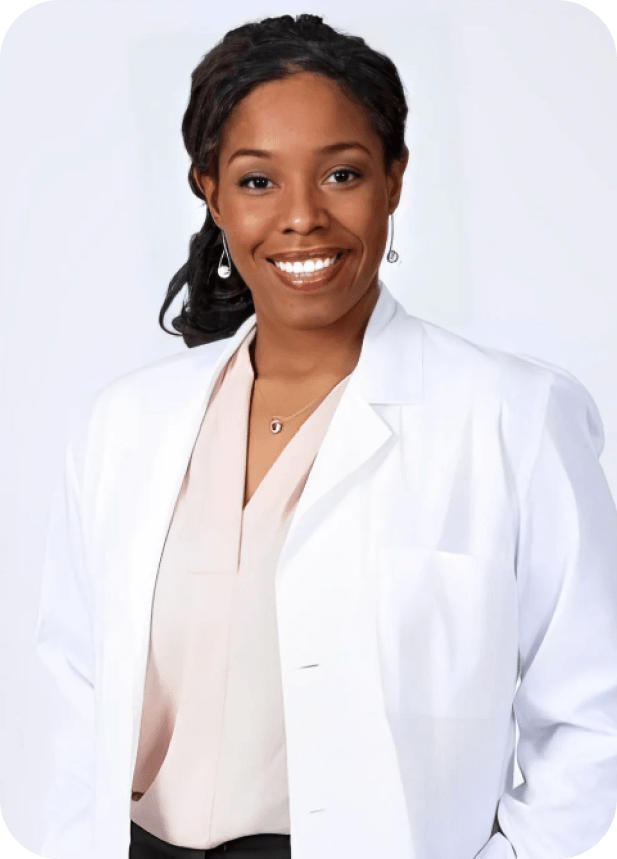
As a breast cancer surgeon and researcher, I meet each person where they are, recognizing that every journey is uniquely their own.
Featured On















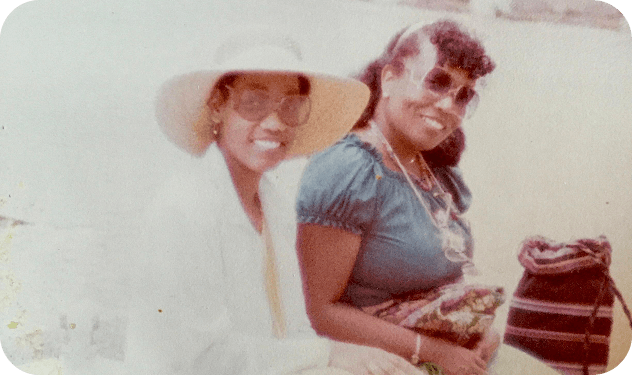
Cancer changed my world. I lost my mother to ovarian cancer as a young girl and later watched my grandmother face breast cancer, both within a system often focused more on the disease than the person. These experiences shaped my path as a breast cancer surgeon and researcher.
Today, I focus on a more complete model of care, one that includes early detection, prevention, treatment, and survivorship. This is the foundation of precision wellness, an approach that brings together evidence-based medicine with advances in science and technology to improve outcomes and rethink how care is delivered.
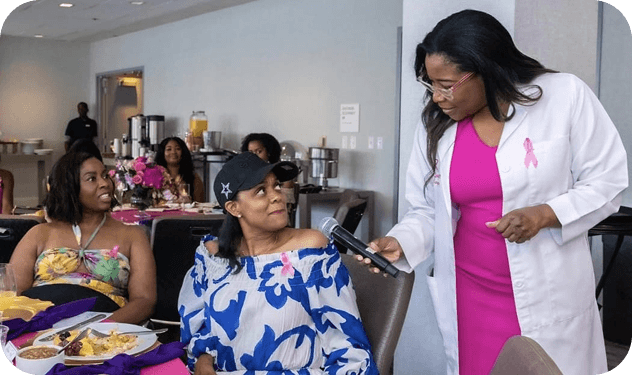
I integrate prevention, lifestyle strategies, and supportive care alongside conventional oncology, not as alternatives but as essential parts of better care.
The future of cancer care is more precise, more personal, and built around each person.

Cancer changed my world. I lost my mother to ovarian cancer as a young girl and later watched my grandmother face breast cancer, both within a system often focused more on the disease than the person. These experiences shaped my path as a breast cancer surgeon and researcher.
Today, I focus on a more complete model of care, one that includes early detection, prevention, treatment, and survivorship. This is the foundation of precision wellness, an approach that brings together evidence-based medicine with advances in science and technology to improve outcomes and rethink how care is delivered.
I integrate prevention, lifestyle strategies, and supportive care alongside conventional oncology, not as alternatives but as essential parts of better care.
The future of cancer care is more precise, more personal, and built around each person.
This work extends beyond the clinic, shaping how care is delivered, experienced, and advanced.





In the Media & On Stage







Beyond the Clinic
Advancing precision wellness across care, community, and innovation.